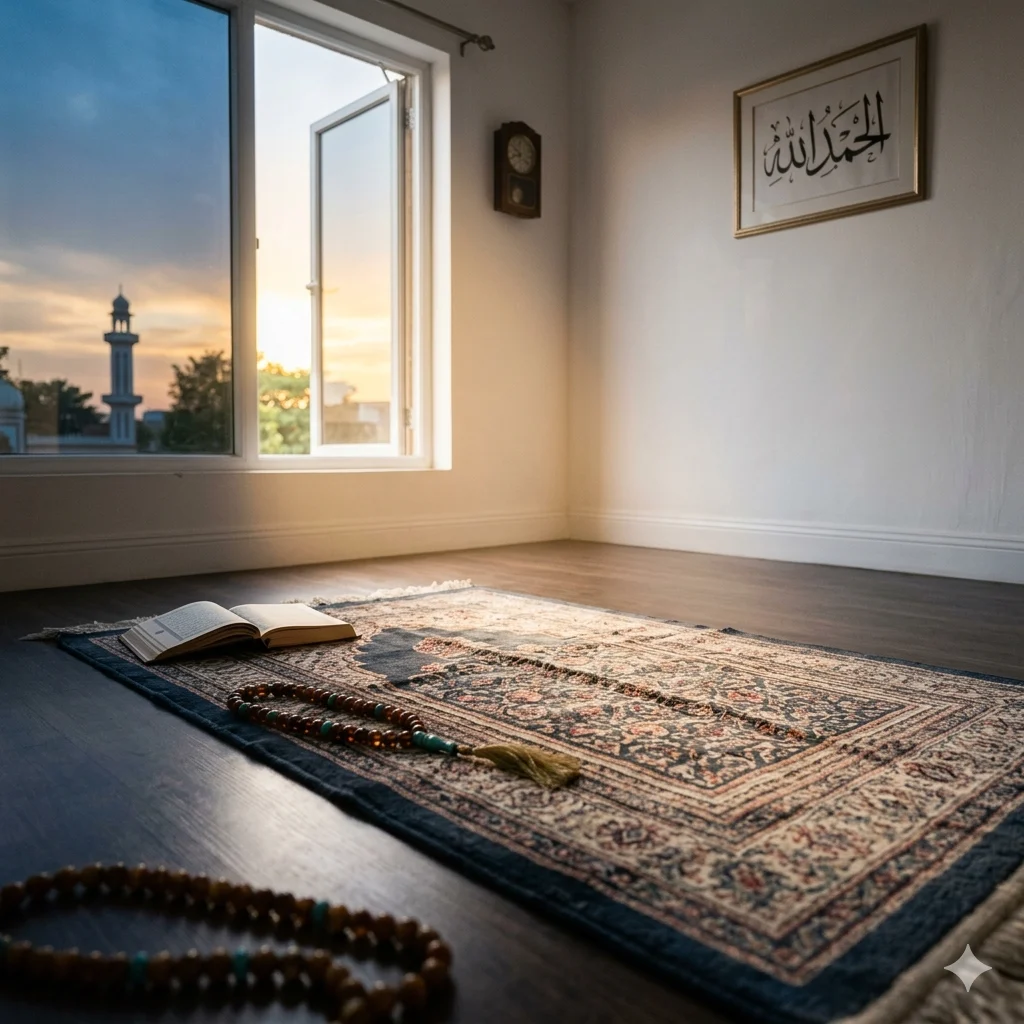
All Sunnah prayers include the Prophet’s recommended prayers before and after daily Salah, plus highly recommended prayers like Witr, Duha, and Tahajjud.
Want to earn extra rewards every day, strengthen your connection with Allah, and follow the prayer routine of Prophet Muhammad? All Sunnah prayers are the recommended prayers regularly performed by the Prophet ﷺ in addition to the five daily obligatory Salah.
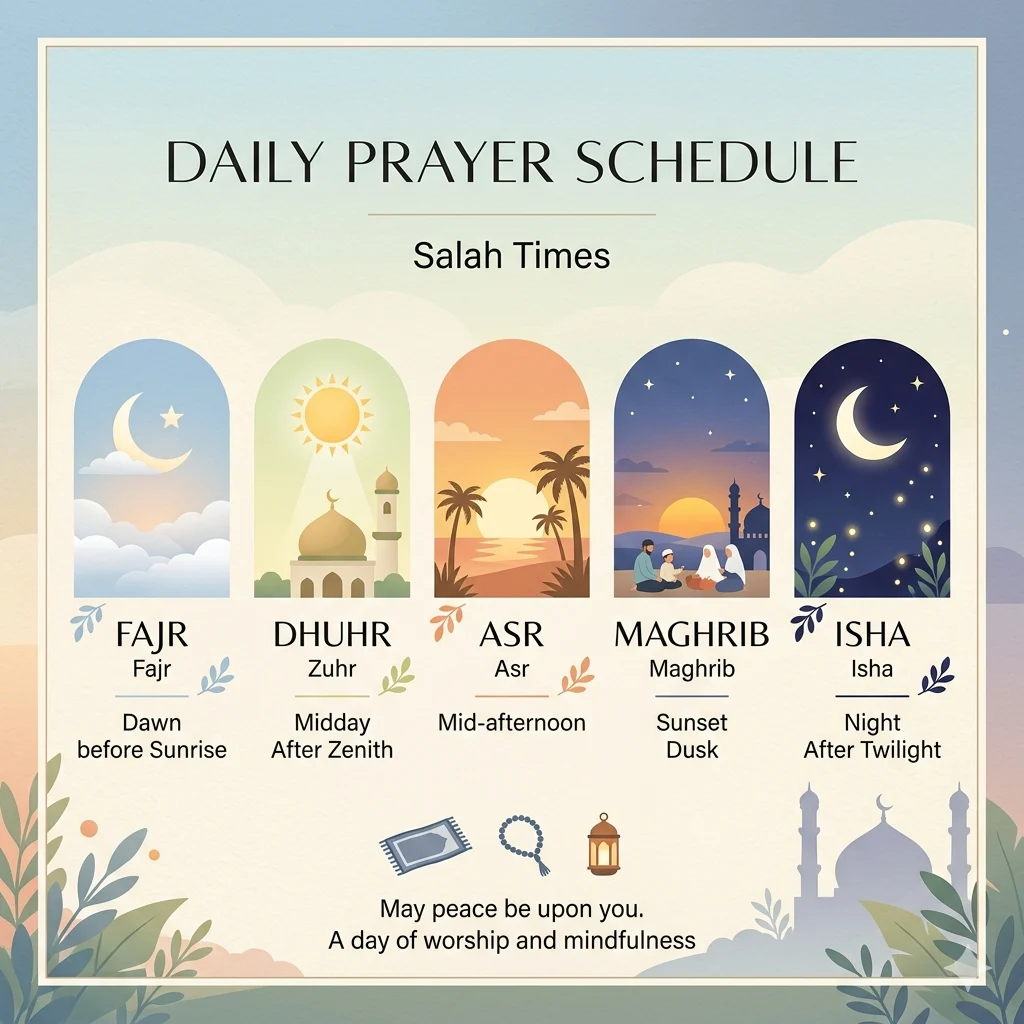
These include the Sunnah prayers before and after Fajr Prayer, Dhuhr Prayer, Maghrib Prayer, and Isha Prayer, along with other highly recommended prayers such as Witr Prayer, Duha Prayer, and Tahajjud.
Praying them consistently helps make up shortcomings in obligatory prayers, increases rewards, and brings peace to the heart. Many Muslims search for all Sunnah prayers to learn the complete list, rakats, timings, and daily routine—and this guide covers it clearly.
If you want to improve your worship and follow the Sunnah daily, learning all Sunnah prayers is essential.
The Importance of All Sunnah Prayers in Daily Life
1. Morning Renewal Through Sunnah Fajr
The quiet moments before dawn hold a special kind of peace. Performing the Sunnah of Fajr allows you to begin your day with spiritual clarity and protection. Imagine stepping into your day grounded and calm, knowing you prioritized your connection with Allah before anything else.
2. Strength in Consistency
Even two rak‘ahs performed daily build a powerful habit. Consistency in Sunnah prayers strengthens discipline and nurtures your relationship with faith, much like daily exercise strengthens the body.
3. A Shield Against Stress
In a world full of anxiety, Sunnah prayers act as a spiritual shield. Taking a few minutes to pray can bring emotional relief and mental calm, helping you reset during overwhelming moments.
4. Following the Prophetic Path
Every Sunnah prayer connects you to the lifestyle of the Prophet ﷺ. By practicing them, you embody love, obedience, and spiritual alignment.
5. Filling Gaps in Obligatory Prayers
We are not perfect in our obligatory prayers. Sunnah prayers serve as a means of compensation, completing what may be lacking in our fard salah.
6. Building a Personal Relationship with Allah
These voluntary prayers are intimate moments. They are not obligatory, yet you choose them—making them a deeply personal act of devotion.

Complete List of Daily Sunnah Prayers
1. Sunnah Before Fajr (2 Rak‘ahs)
Short yet powerful, these rak‘ahs are described as better than the world and everything in it. They bring focus, peace, and spiritual awakening.
2. Sunnah Before Dhuhr (4 Rak‘ahs)
These prayers prepare your heart for the midday pause. They help you disconnect from worldly distractions and reconnect spiritually.
3. Sunnah After Dhuhr (2 Rak‘ahs)
After fulfilling the obligatory prayer, these Sunnah rak‘ahs allow you to linger in remembrance, deepening your gratitude and reflection.
4. Sunnah After Maghrib (2 Rak‘ahs)
As the day winds down, these prayers offer a moment of peaceful transition, helping you reflect on your day with sincerity.
5. Sunnah After Isha (2 Rak‘ahs)
Before rest, these rak‘ahs cleanse your heart. They are a way to end your day in remembrance and forgiveness.
6. Optional Sunnah Before Asr and Isha
Though not emphasized as strongly, these optional prayers carry immense reward and help build a stronger spiritual routine.
50+Powerful Prayers in Spanish and English for Faithand Blessings
Benefits of Practicing Sunnah Prayers Daily
1. Inner Peace and Emotional Healing
Regular Sunnah prayers cultivate a sense of calmness and emotional balance, especially during difficult times.
2. Increased Spiritual Rewards
Every extra prayer adds to your scale of good deeds, bringing you closer to Allah’s mercy and blessings.
3. Discipline and Time Management
Structuring your day around prayer enhances your ability to manage time effectively.
4. Strengthened Faith (Iman)
Frequent remembrance strengthens belief, making your faith more resilient and deeply rooted.
5. Protection from Negativity
Prayer creates a barrier against harmful thoughts and influences, fostering mental clarity and positivity.
6. A Source of Comfort in Hardship
When life feels overwhelming, turning to Sunnah prayers provides hope, patience, and reassurance.

How to Incorporate All Sunnah Prayers into Your Routine
1. Start Small and Stay Consistent
Begin with the Sunnah of Fajr and gradually add others. Small steps lead to lasting habits.
2. Set Prayer Reminders
Use alarms or apps to remind you. This helps maintain consistency and accountability.
3. Pair with Daily Activities
Attach Sunnah prayers to existing habits, like praying after meals or before sleep.
4. Create a Peaceful Prayer Space
Design a quiet corner for prayer. A calm environment enhances focus and devotion.
5. Reflect After Each Prayer
Take a moment to sit quietly and reflect. This deepens your spiritual awareness.
6. Seek Motivation Through Knowledge
Learning about the rewards and benefits keeps your heart motivated and inspired.
30+Powerful Prayers for Government LeadersforWisdom&Guidance
Common Mistakes to Avoid in Sunnah Prayers
1. Rushing Through Prayers
Take your time. Mindful الصلاة brings greater reward and peace.
2. Ignoring Consistency
Irregular practice reduces impact. Aim for steady, daily effort.
3. Treating Sunnah as Optional Extras Only
While not obligatory, they hold immense value. Treat them as essential spiritual nourishment.
4. Lack of Focus (Khushu)
Avoid distractions. Focus enhances the quality of your connection.
5. Overwhelming Yourself
Don’t try to do everything at once. Build gradually to avoid burnout.
6. Forgetting Intention (Niyyah)
Always renew your intention. A sincere heart transforms your prayer into pure عبادت.
Spiritual Reflections on Sunnah Prayers
1. A Moment of Stillness in Chaos
In a busy world, prayer offers a sacred pause—a chance to recenter your soul.
2. A Conversation with Allah
Every Sunnah prayer is a private dialogue, filled with hope, gratitude, and trust.
3. A Path to Self-Discipline
Regular prayer trains your heart and mind, building resilience and patience.
4. A Reminder of Purpose
It brings you back to your purpose—serving Allah and living with intention.
5. A Source of Light in Darkness
Even in the hardest times, prayer brings guidance and نور (light).
6. A Journey of Continuous Growth
Each prayer is a step forward in your spiritual journey and self-improvement.
Conclusion
Embracing all sunnah prayers is not about perfection—it’s about intention, effort, and love for your Creator. These prayers gently transform your day, bringing peace to your heart, discipline to your routine, and نور to your life. Whether you start with just two rak‘ahs or gradually build a complete routine, every step counts. Let these moments of عبادت become your refuge, your strength, and your daily reset.
You don’t need to change everything overnight—just begin.
- Start your daily prayer journey today.
- Share these prayers to spread hope and نور.
- Commit to one Sunnah prayer and build from there.
FAQs
What are all Sunnah prayers?
All Sunnah prayers are voluntary prayers performed alongside obligatory salah. They include emphasized and non-emphasized prayers practiced regularly by the Prophet ﷺ, offering additional spiritual reward and closeness to Allah.
How many Sunnah prayers are there daily?
There are typically 12 emphasized Sunnah rak‘ahs daily, including before and after obligatory prayers. Additional optional Sunnah prayers can also be performed for extra reward.
Are Sunnah prayers necessary?
They are not obligatory but highly recommended. They complete deficiencies in obligatory prayers and bring immense spiritual benefits and blessings.
When is the best time to perform Sunnah prayers?
They are performed before or after obligatory prayers, depending on the type. The Sunnah of Fajr, for example, is prayed before the obligatory Fajr prayer.
Can Sunnah prayers be prayed at home?
Yes, in fact, many Sunnah prayers are الأفضل performed at home, creating a peaceful and personal عبادت environment.
What happens if I miss Sunnah prayers?
There is no sin for missing them, but you miss out on great reward. You can always restart and aim for consistency moving forward.

Stella Gibbons is a writer at Pray Ocean, sharing clear English word meanings and meaningful prayer articles for daily guidance.