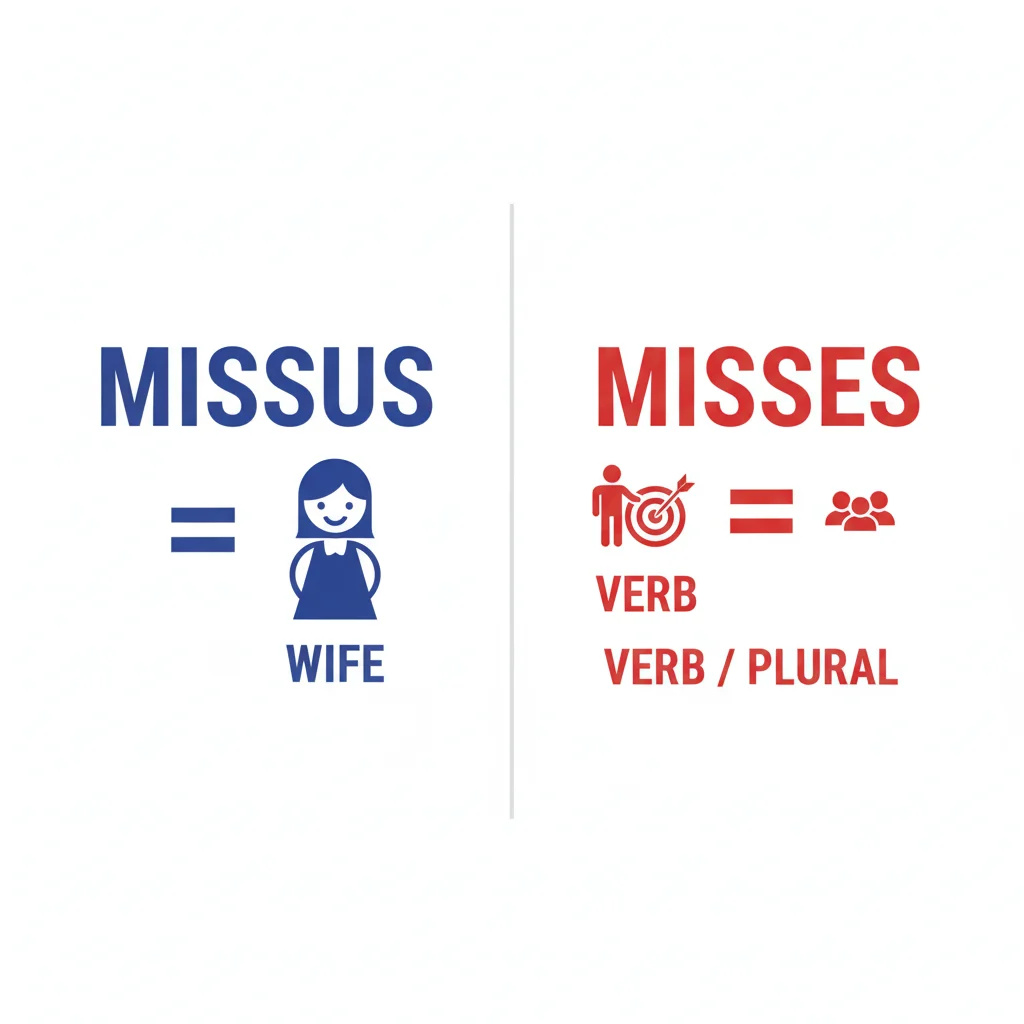
Missus and misses are not the same, even though people often confuse them.
- Missus 👉 an informal spoken word meaning wife or female partner.
Example: “I’m going out with the missus tonight.” - Misses 👉 the plural of miss or the verb form of miss.
Example: “She misses her family.”
Example: “The shop misses nothing.”
👉 If you mean “wife,” the correct word is missus, not misses.
Many English learners and even native speakers get confused between missus vs misses.
The confusion happens because both words sound similar, especially in fast speech. People often ask questions like “Is it missus or misses?”, “Can I call my wife misses?”, or “How do you spell misses as in wife?”
This confusion matters because using the wrong word can change your meaning. Calling someone “misses” instead of “missus” can sound incorrect or unprofessional, especially in writing.
This guide solves that problem clearly and simply. You’ll learn:
- the real meaning of missus and misses
- how British and American English treat these words
- which spelling you should use
- common mistakes to avoid
- real-life examples from emails, social media, and news
By the end, you’ll never mix them up again.
Missus vs Misses – Meaning Explained Clearly
Missus
- Informal noun
- Means: wife, female partner, or girlfriend (casual speech)
- Mostly spoken, rarely formal writing
Examples:
- “I need to ask the missus first.”
- “He went shopping with his missus.”
👉 Does missus mean girlfriend?
Yes, in casual speech, missus can mean wife or long-term girlfriend.
Misses
- Verb or plural noun
- Means: fails to hit, fails to attend, or plural of miss
Examples:
- “She misses her train.”
- “The teacher misses nothing.”
- “All the misses were invited.”
👉 Misses NEVER means wife.
The Origin of Missus vs Misses
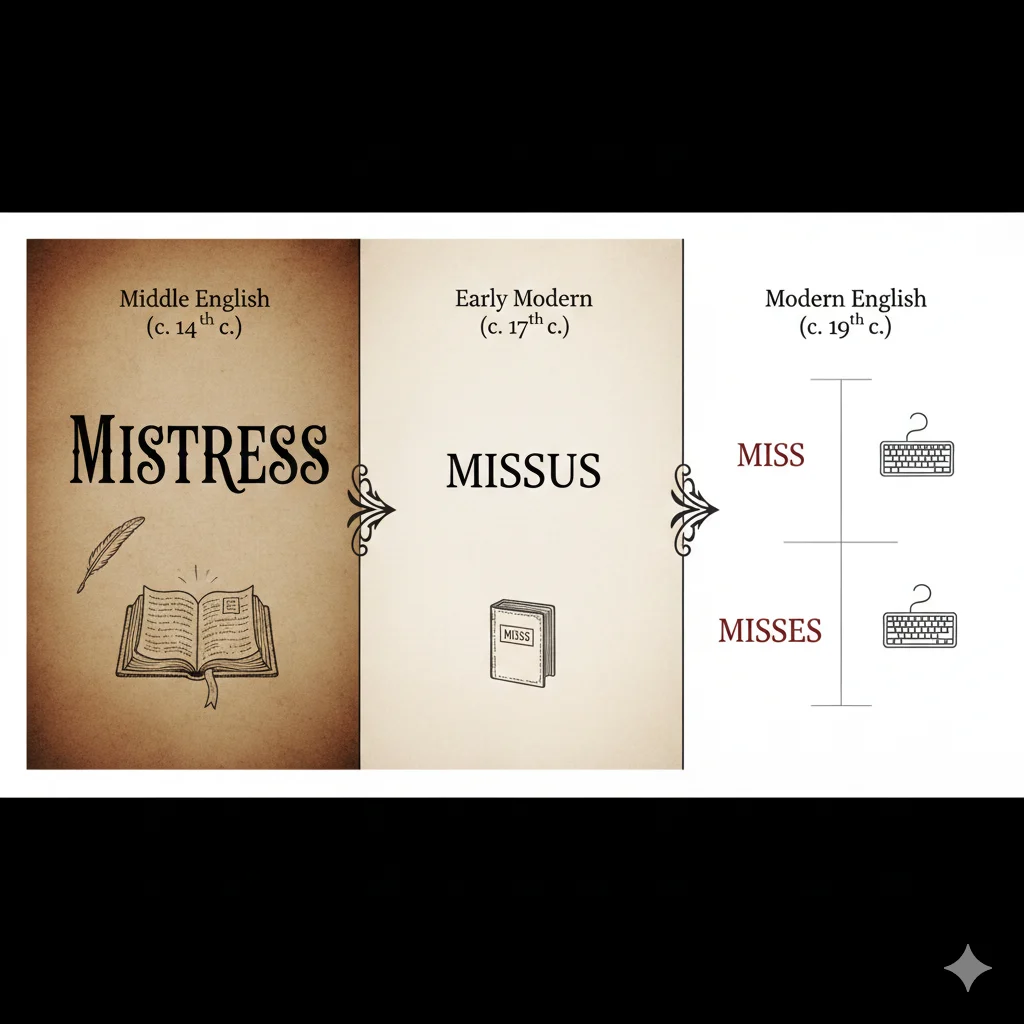
Missus – Word History
- Comes from “Mistress”
- Shortened in speech over time
- Became missus in British English slang
- Popular in the UK, Australia, and informal global English
Misses – Word History
- Comes from the verb miss
- Standard English grammar form
- No relation to marriage or titles
👉 The spelling difference exists because they come from different roots.
British English vs American English Spelling
| Aspect | British English | American English |
|---|---|---|
| Missus | Very common in speech | Less common, still used |
| Misses | Same meaning as US | Same meaning as UK |
| Formal use | Rare | Rare |
| Spoken slang | Strong | Moderate |
👉 Missus is more British, but understood worldwide.
Coming vs Comming: The Common Error Ruining Your English 😬
Which Spelling Should You Use?
Use “Missus” if:
- You mean wife or partner
- You are speaking informally
- You are writing dialogue or casual content
Use “Misses” if:
- You mean fails to catch/attend
- You are using a verb
- You are talking about multiple Misses
Audience-based advice
- US audience: Use wife in formal writing, missus only casually
- UK/Commonwealth: Missus is normal in speech
- Global content: Explain the term clearly if used
Common Mistakes with Missus vs Misses
❌ “I’m going out with my misses.”
✅ “I’m going out with my missus.”
❌ “Your misses called you.”
✅ “Your missus called you.”
❌ “She is my misses.”
✅ “She is my wife.” or “She is my missus.”
Missus vs Misses – Everyday Examples
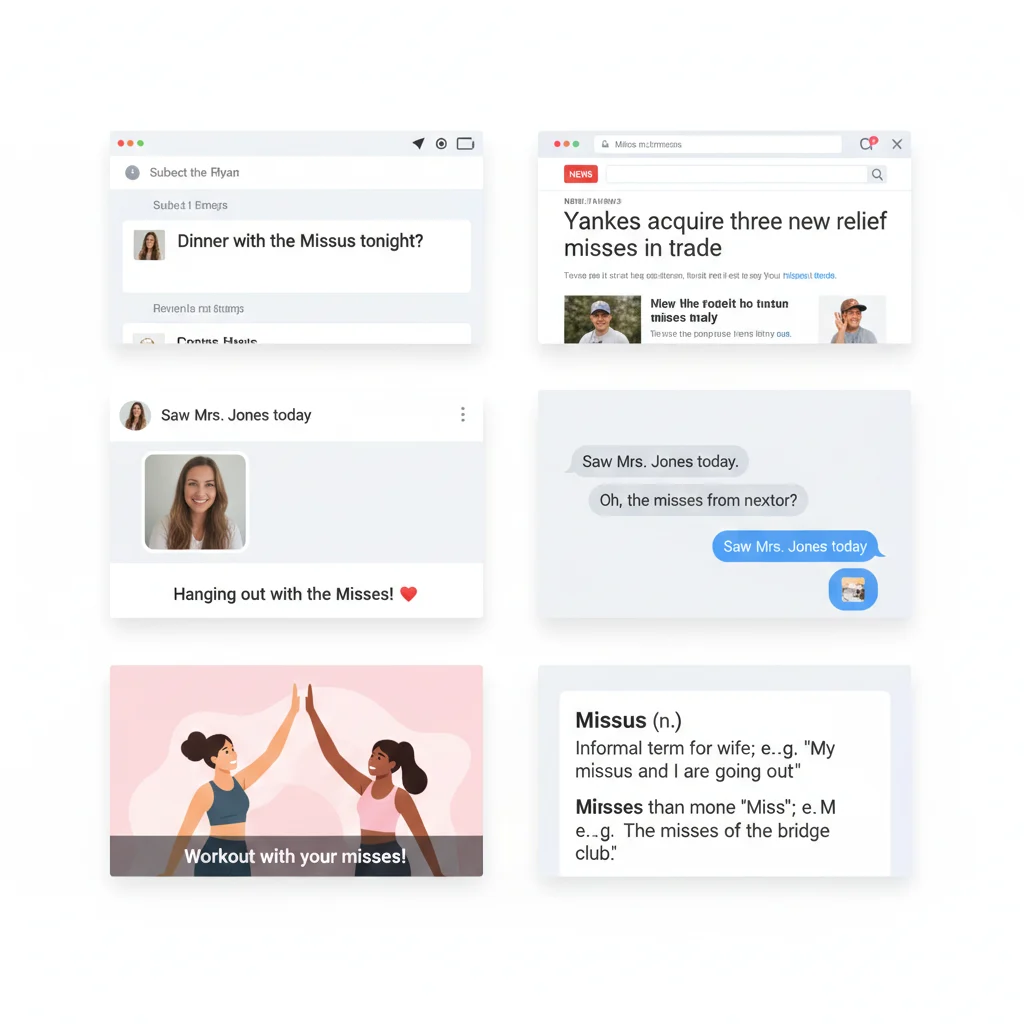
Emails
- ❌ “I’ll check with my misses.”
- ✅ “I’ll check with my missus.”
News
- “He attended the event with his missus.”
Social Media
- “Date night with the missus ❤️”
Formal Writing
- Avoid missus
- Use wife, spouse, or partner
Transferring vs Transfering: One Letter Mistake 🚨
Missus vs Misses – Comparison Table
| Word | Meaning | Part of Speech | Correct Use |
|---|---|---|---|
| Missus | Wife / partner | Noun (informal) | ✔ Casual speech |
| Misses | Fails to catch | Verb | ✔ Grammar |
| Misses | Plural of Miss | Noun | ✔ Titles |
| Mrs | Married woman title | Honorific | ✔ Formal |
| Ms | Neutral title | Honorific | ✔ Professional |
Missus vs Misses – Google Trends & Usage Data
- Missus is searched more in:
- UK
- Australia
- New Zealand
- Misses is searched more globally due to grammar use.
- Searches spike for:
- “Is it missus or misses?”
- “You and the misses”
- “With the missus meaning”
👉 Most searches show confusion, not grammar interest.
Related Titles Explained: Miss, Mrs, Ms
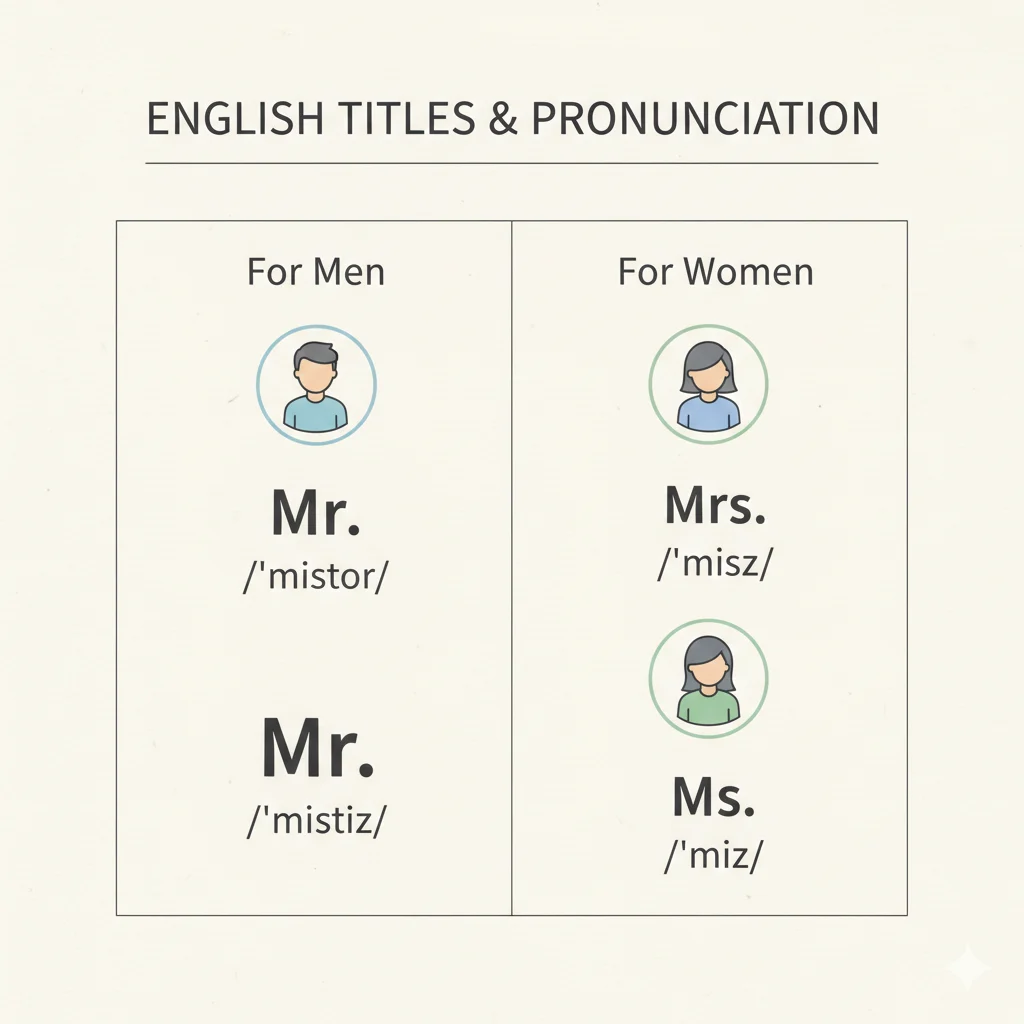
| Title | Meaning | Married? |
|---|---|---|
| Miss | Young woman | No |
| Mrs | Married woman | Yes |
| Ms | Neutral | Unknown |
| Missus | Informal wife | Yes |
| Misses | Verb/plural | No |
Pronunciation
- Miss → /mis/
- Mrs → /ˈmɪsɪz/
- Ms → /miz/
- Missus → /ˈmɪsəs/
FAQs: Missus vs Misses
1. Is it missus or misses?
If you mean wife, it’s missus.
2. Can I call my wife misses?
No. Misses is incorrect for wife.
3. When to use Miss or Missus?
- Miss → title for unmarried women
- Missus → informal word for wife
4. How do you spell misses as in wife?
You don’t. The correct spelling is missus.
5. Does missus mean girlfriend?
Yes, in casual speech it can.
6. You and the misses – correct?
❌ Wrong
✅ “You and the missus”
7. Mrs or Ms for married women?
- Mrs → traditional
- Ms → modern and professional
Conclusion
The confusion between missus vs misses is very common, but the rule is simple.
If you mean wife or female partner, the correct word is missus. It is informal, spoken, and friendly. It comes from mistress and is used mostly in British-style English.
Misses, on the other hand, is a grammar word. It means fails to catch or plural of Miss. It never means wife.
For professional writing, avoid both and use wife, spouse, or partner. For casual talk, missus is fine if your audience understands it.
Once you know the difference, you’ll sound more confident, clear, and correct in everyday English.

Stella Gibbons is a writer at Pray Ocean, sharing clear English word meanings and meaningful prayer articles for daily guidance.