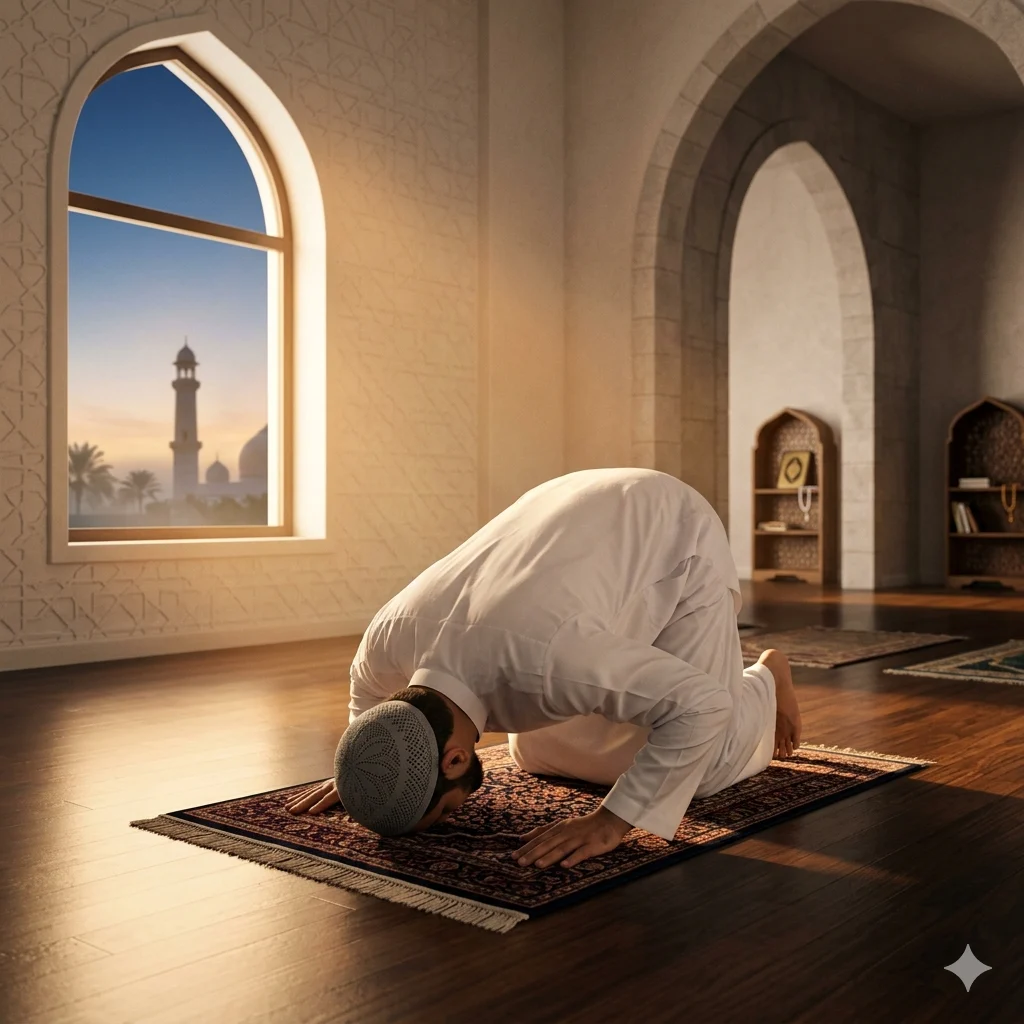
How to Pray Sunnah Prayers is a simple guide that shows you step by step how to perform voluntary prayers just like Prophet Muhammad (peace be upon him) for extra reward and closeness to Allah.
If you want the quick answer: Sunnah prayers are prayed like regular Salah, usually in 2 rak‘ahs, with a sincere intention (niyyah) in your heart before starting.
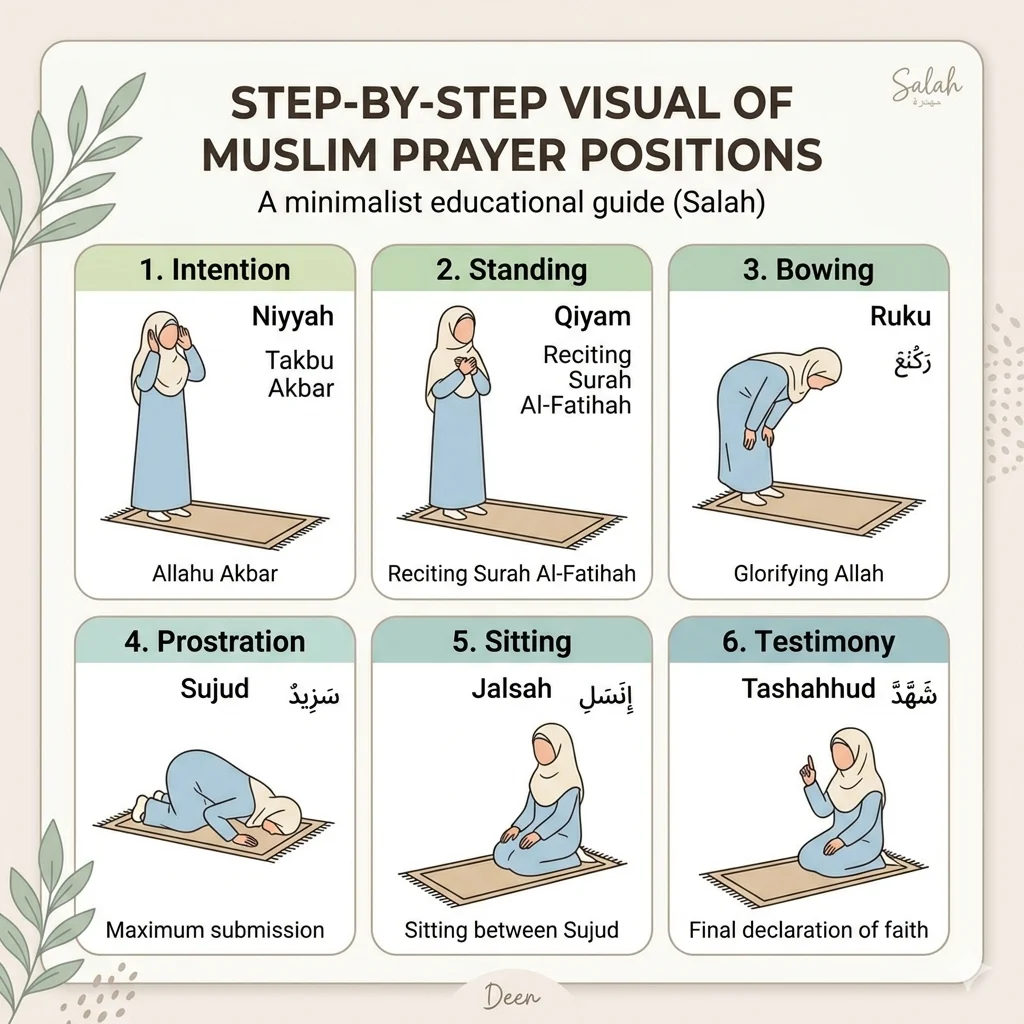
To perform Sunnah prayers, begin with intention, say Allahu Akbar, then recite Surah Al-Fatihah followed by another short surah. After that, complete the rak‘ah with Ruku (bowing), Sujood (prostration), and Tashahhud, just like in Fard prayer. Then repeat the same pattern for the second rak‘ah and finish with Salam.
These prayers are offered before or after the five daily prayers, such as before Fajr or after Dhuhr, depending on the type of Sunnah prayer. They are not obligatory, but they are highly recommended and bring great reward.
Sunnah prayers help you build discipline in worship, fix small gaps in obligatory prayers, and create a stronger connection with Allah in your daily routine.
In simple words, Sunnah prayers are an easy way to add more blessings and spiritual peace to your Salah.
Understanding Sunnah Prayers and Their Importance
- Prayer of Intention (Niyyah Reflection)
Before beginning, pause and set your intention. Whisper to yourself: “I pray for Allah’s pleasure alone.” This simple moment reshapes your mindset. Like a traveler choosing the right path, your intention guides your spiritual journey, turning each movement into an act of devotion and love. - Prayer for Consistency
“O Allah, help me remain consistent in my Sunnah prayers.” Consistency often feels difficult in busy routines. Reflect on how small daily actions—like drinking water or breathing—are constant. Similarly, consistent prayer nourishes the soul in ways we don’t immediately see but deeply feel. - Prayer for Understanding
Ask Allah to deepen your understanding of Sunnah. Sometimes we perform actions without reflection. Pray: “Grant me knowledge that brings me closer to You.” This transforms ritual into mindful worship, strengthening your connection and awareness. - Prayer for Love of Worship
“Ya Allah, make me love these prayers.” When worship feels like a burden, ask for ease. Just like falling in love grows over time, love for prayer develops through patience and sincerity. - Prayer for Forgiveness Through Sunnah
Reflect that Sunnah prayers are a means of wiping away sins. Say: “Forgive my shortcomings through these extra prayers.” Imagine each prayer gently cleansing your heart, layer by layer. - Prayer for Spiritual Elevation
Ask Allah to elevate your rank through Sunnah prayers. These extra acts are like hidden treasures, known only between you and your Creator.

Step-by-Step Guide on How to Pray Sunnah Prayers
- Preparing for Prayer
Ensure cleanliness, perform wudu, and find a quiet space. Even a small corner can become sacred. Think of it as creating a personal sanctuary where distractions fade away. - Number of Rak’ahs
Most Sunnah prayers are prayed in sets of two rak’ahs. Remind yourself: “I am following the beautiful example of the Prophet.” Simplicity makes it easy to begin. - Recitation Reflection
While reciting Surah Al-Fatiha and another surah, focus on meaning. Even if you understand a few words, let them sink in. Connection matters more than perfection. - Slow and Mindful Movements
Don’t rush. Feel each posture—standing, bowing, prostrating. Imagine placing your worries down with every سجود (prostration). This transforms prayer into emotional release. - Personal Dua After Prayer
After finishing, raise your hands and speak sincerely. Share your fears, hopes, and gratitude. This is your private conversation with Allah. - Ending with Gratitude
Always end with thanks: “Alhamdulillah for allowing me to pray.” Gratitude strengthens your desire to return again.
25+Powerful Prayers for Job Success, Interviews & Breakthrough
Sunnah Prayers Before and After Obligatory Salah
- Before Fajr Reflection
The two rak’ahs before Fajr are deeply powerful. Pray: “Bless my day before it begins.” These moments often feel peaceful, like the world is still asleep while your soul awakens. - Before Dhuhr Preparation
Take a pause before Dhuhr Sunnah. Think of it as resetting your mind midday, clearing stress and regaining focus. - After Dhuhr Gratitude
After completing obligatory prayer, Sunnah becomes a way to say: “Thank You for guiding me.” Gratitude deepens faith. - After Maghrib Calmness
These prayers often feel calming after a busy day. Reflect on your actions and seek forgiveness gently. - After Isha Reflection
Before sleep, Sunnah prayer becomes a closure to your day. It’s like handing over your worries to Allah. - Consistency Across Daily Salah
Even if you start with one Sunnah prayer, consistency matters more than quantity. Small steps lead to lasting habits.
Emotional and Spiritual Benefits of Sunnah Prayers
- Relief from Stress
When anxiety builds, turn to Sunnah prayer. Each prostration feels like releasing burdens onto the ground, leaving your heart lighter. - Healing from Grief
In moments of loss, speak to Allah through prayer. Tears during سجود are not weakness—they are silent prayers being answered. - Clarity in Decisions
Confused about life choices? Pray Sunnah and ask for guidance. Often, clarity comes not instantly but as inner peace guiding your decision. - Strength Against Temptation
Regular prayer builds discipline. It strengthens your ability to resist harmful habits, replacing them with purpose. - Connection with Allah
Sunnah prayers create a deeper bond. It’s like having extra moments of closeness beyond obligations. - Inner Peace and Calmness
Over time, you’ll notice a calm heart. Even during chaos, your soul remains steady—anchored through prayer.
28+Catholic Prayers for Funeral Cards for Peace & Eternal Rest🙏
Daily Routine to Incorporate Sunnah Prayers
- Start Small
Begin with just two rak’ahs daily. Don’t overwhelm yourself. Growth is gradual, like planting a seed. - Attach to Existing Habits
Pray Sunnah immediately before or after obligatory salah. This builds habit stacking, making it easier to maintain. - Set Gentle Reminders
Use alarms or mental cues. Think of them as invitations rather than obligations. - Create a Peaceful Space
Designate a quiet prayer corner. Even a small mat can become your spiritual retreat. - Track Your Progress
Keep a simple journal. Not to pressure yourself, but to celebrate consistency. - Reflect Weekly
Ask yourself: “How do I feel after Sunnah prayers?” You’ll often notice increased calm and clarity.
Common Mistakes and How to Improve Sunnah Prayers
- Rushing Through Prayer
Slow down. Prayer isn’t a task to complete—it’s a moment to experience. - Lack of Focus
If your mind wanders, gently bring it back. Even small focus improvements matter. - Skipping Regularly
Don’t aim for perfection. If you miss a day, return the next. Consistency beats perfection. - Not Understanding Recitations
Learn meanings gradually. Even understanding one verse can deepen connection. - Viewing Sunnah as Optional Only
While voluntary, Sunnah prayers are spiritually powerful. Treat them as gifts, not burdens. - Neglecting Personal Dua
Take time after prayer to speak from your heart. This is where true connection grows.
Conclusion
Learning how to pray sunnah prayers is a journey—not a destination. These prayers offer more than spiritual reward; they bring peace, healing, and closeness to Allah in ways words can’t fully describe. Whether you start small or already practice regularly, what matters most is sincerity and consistency.
Let Sunnah prayers become your refuge during difficult times and your gratitude during peaceful ones. Over time, you’ll notice a stronger heart, a calmer mind, and a deeper sense of purpose.
Start today, even with two rak’ahs. Your future self—and your soul—will thank you.
Call to Action
- Start your daily Sunnah prayer journey today—even one step brings you closer.
- Share these prayers with loved ones and spread peace and spiritual healing.
- Bookmark this guide and return to it whenever your heart needs comfort.
FAQs
What are Sunnah prayers?
Sunnah prayers are voluntary prayers performed in addition to obligatory salah. They follow the example of the Prophet and help strengthen faith, earn rewards, and deepen spiritual connection with Allah.
How many rak’ahs are Sunnah prayers?
Most Sunnah prayers are performed in sets of two rak’ahs. The number varies depending on the prayer time, such as before Fajr or after Dhuhr.
Can beginners start Sunnah prayers easily?
Yes, beginners should start small—just two rak’ahs daily. Gradually, they can increase as they build consistency and comfort in their routine.
What is the best time to pray Sunnah prayers?
Sunnah prayers are typically performed before or after obligatory salah, such as before Fajr or after Maghrib and Isha.
Do Sunnah prayers help with stress and anxiety?
Yes, Sunnah prayers provide emotional relief, inner peace, and a sense of calm by connecting you with Allah and allowing reflection.
Is it okay to miss Sunnah prayers?
Yes, they are voluntary. If missed, you can continue the next day. Consistency over time matters more than perfection.

Vera Brittain is a writer at Pray Ocean, providing clear English word meanings and inspiring prayer content for everyday readers.