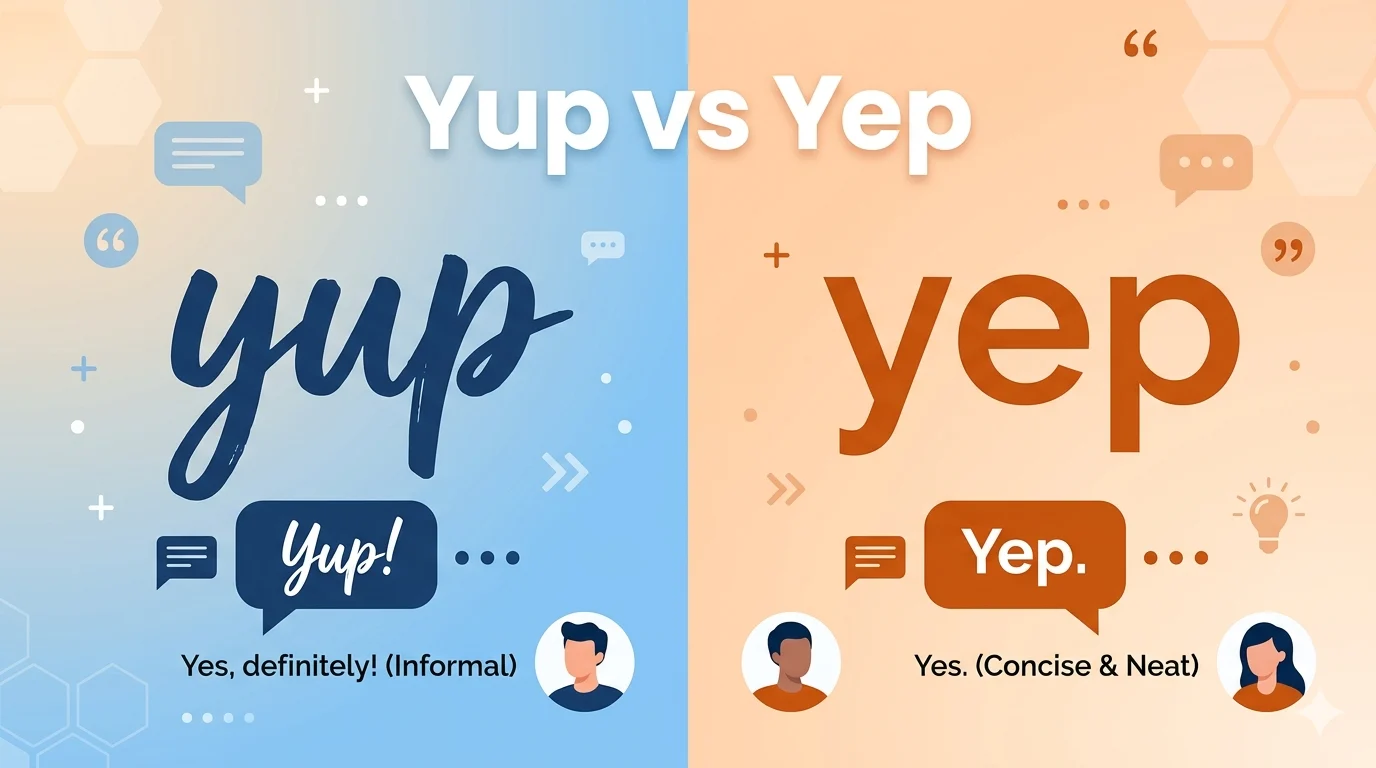
“Yep” and “yup” both mean “yes,” but they differ in tone. “Yep” sounds slightly more neutral and polite, while “yup” feels more casual or relaxed.
Examples:
- “Yep, I finished the work.” (neutral tone)
- “Yup, that’s right!” (casual tone)
Both are informal and best used in conversations, not formal writing.
Have you ever typed “yup” or “yep” and paused, wondering which one is correct? You’re not alone. Many people search for yup vs yep because both words sound similar and are used in casual conversations. But the truth is, they carry slightly different tones and meanings depending on context, region, and personality.
This confusion often shows up in texts, chats, and even emails. Some think one is more polite, while others believe they are just spelling variations. That’s where clarity matters. Understanding when to use “yup” or “yep” helps you communicate better and sound natural.
In this guide, we will break down the difference between yup vs yep meaning, explore their origins, and show you how to use them correctly in everyday situations.
The Origin of Yup vs Yep
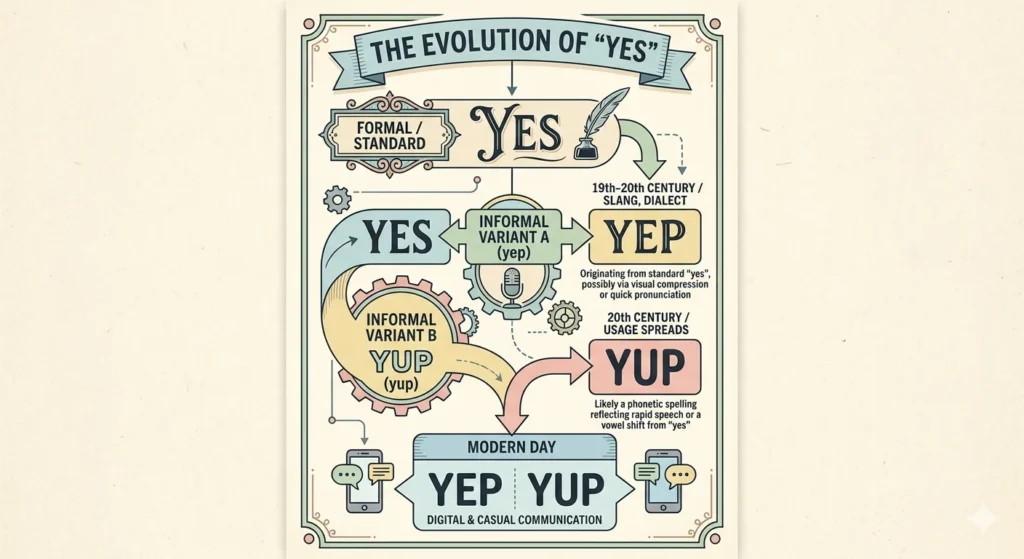
The words “yep” and “yup” come from the simple word “yes.” Over time, people started changing pronunciation in speech. This created informal versions used in daily talk.
“Yep” appeared earlier in written English. It reflects a quick, clipped way of saying “yes.” It became popular in casual writing, especially in the 19th and 20th centuries.
“Yup” came later and represents a slightly more relaxed sound. It mirrors how people speak in a laid-back tone. The “uh” sound makes it feel softer and friendlier.
These words are not official grammar forms. They grew from spoken language. That’s why spelling differences exist. People wrote them based on how they sounded.
Today, both are widely accepted in informal use. But they still carry subtle tone differences.
British English vs American English Spelling
Unlike many English words, “yep” and “yup” are not strict British vs American spelling variations. Both forms are used in different regions.
However, usage style can differ slightly. American English often uses both “yep” and “yup” in casual speech. British English may prefer “yep” more often, but “yup” is still understood.
Comparison Table
| Feature | Yep | Yup |
|---|---|---|
| Meaning | Yes | Yes |
| Tone | Neutral, slightly polite | Casual, relaxed |
| Usage | Common in US & UK | More common in US casual speech |
| Formal Use | Not recommended | Not recommended |
| Feeling | Quick confirmation | Friendly agreement |
In simple terms, both work everywhere. The choice depends more on tone than region.
Buoy Vs Bouy 🚨 The Truth Most People Get Wrong
Which Spelling Should You Use?
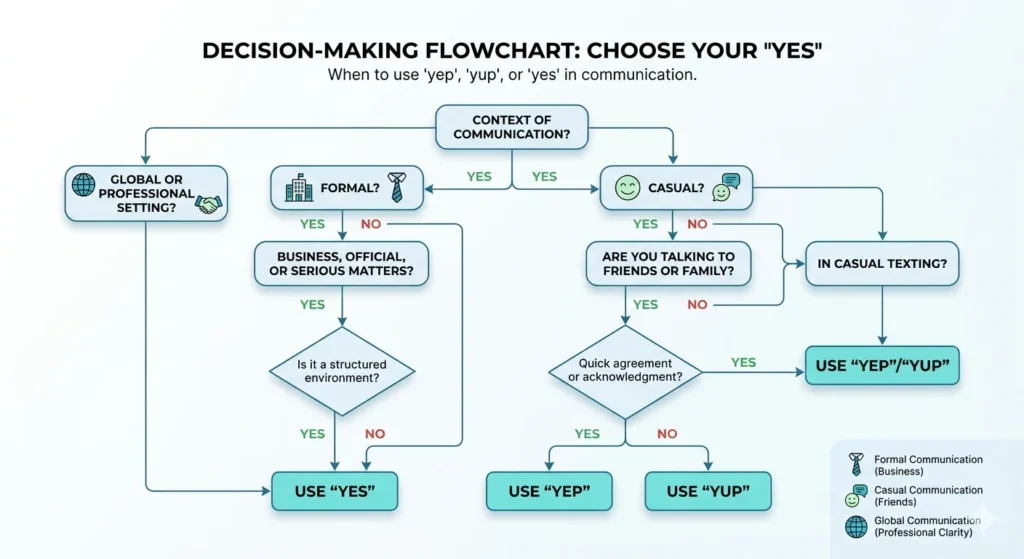
Choosing between “yep” and “yup” depends on your audience and purpose.
- For US audience: Both are fine. Use “yep” for a neutral tone and “yup” for casual chats.
- For UK or Commonwealth audience: “Yep” may feel more natural and widely accepted.
- For global communication: Stick with “yes” in formal cases. Use “yep” if you want a safe informal option.
If you are texting friends, “yup” feels friendly. If you are replying quickly but politely, “yep” is better.
In formal writing, avoid both. Use “yes” instead.
Common Mistakes with Yup vs Yep
Many people make small mistakes when using these words. Here are the most common ones:
1. Using them in formal writing
Wrong: “Yep, we agree to the terms.”
Correct: “Yes, we agree to the terms.”
2. Thinking they are interchangeable in tone
“Yep” is slightly more neutral. “Yup” is more relaxed.
3. Confusing with “yeap”
“Yeap” is usually incorrect. The correct forms are “yep” or “yup.”
4. Overusing in professional chats
Even in casual work chats, too much “yup” can sound unprofessional.
5. Misreading tone in text
“Yup” can sometimes sound lazy or uninterested depending on context.
Yup vs Yep in Everyday Examples
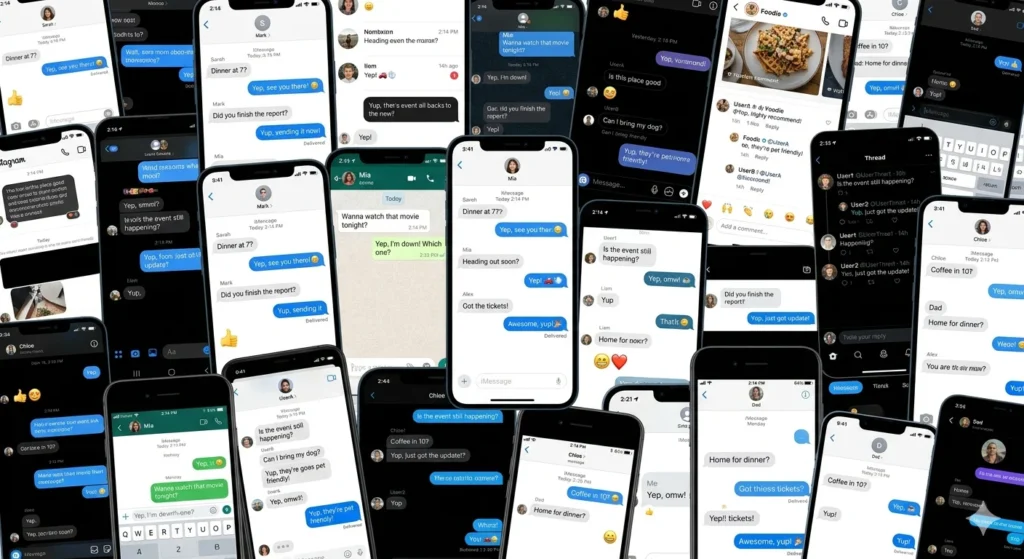
Let’s see how these words appear in real life.
In Emails:
- “Yep, I have received your message.” (informal work chat)
- Better: “Yes, I have received your message.” (formal)
In News or Writing:
- Rarely used. Journalists avoid both.
On Social Media:
- “Yup, that’s exactly how I feel!”
- “Yep, this is true.”
In Text Messages:
- “Are you coming?” → “Yep!”
- “Did you finish?” → “Yup!”
In Chat Conversations:
- “Yep” sounds quick and clear.
- “Yup” sounds more relaxed and friendly.
This shows how context shapes usage.
Yup vs Yep – Google Trends & Usage Data
Search interest for yup vs yep has grown over time. People often search this when writing messages or learning English.
“Yep” is slightly more popular in global searches. It feels safer and more neutral.
“Yup” is popular in casual conversations, especially in the United States.
In regions like South Asia, including Pakistan and India, both are used in chats. Many users also search for yup vs yep meaning in urdu or yup vs yep in urdu to understand tone differences.
Online discussions, like yup vs yep reddit, show mixed opinions. Some users feel “yup” sounds lazy, while others find it friendly.
Overall, both words are widely used, but context matters more than popularity.
Wear Vs Ware 😱 One Letter Changes Everything
Yup vs Yep Comparison Table
| Aspect | Yep | Yup |
|---|---|---|
| Basic Meaning | Yes | Yes |
| Tone | Neutral | Casual |
| Formal Use | No | No |
| Common Usage | Quick reply | Friendly reply |
| Regional Preference | Slightly global | More US casual |
| Chat Usage | Very common | Very common |
| Professional Tone | Better than yup | Less suitable |
FAQs
Which is correct, yep or yup?
Both are correct in informal English. They mean “yes.” The choice depends on tone and context.
Why do people say yup instead of yep?
People use “yup” to sound more relaxed and friendly. It reflects casual speech.
Do Brits say yup?
Yes, but less often. “Yep” is slightly more common in British English.
Is Yup a slang word?
Yes, “yup” is informal slang. It should not be used in formal writing.
What is the difference in tone between yep and yup?
“Yep” feels neutral and quick. “Yup” feels casual and laid-back.
What does yep mean in chat?
“Yep” means “yes” in a simple, clear way. It is widely used in texting.
Is yeap correct spelling?
No, “yeap” is usually incorrect. Use “yep” or “yup” instead.
Conclusion

Understanding yup vs yep is simple once you focus on tone. Both words mean “yes,” but they are not exactly the same in feeling. “Yep” is more neutral and slightly more polite. It works well when you want to sound clear and simple. “Yup,” on the other hand, feels more relaxed and friendly. It fits casual chats with friends or informal messages.
These words come from spoken English, which explains why they sound different and have flexible usage. They are not tied strongly to British or American spelling rules. Instead, they depend on how people speak and express tone.
The key takeaway is to match your word choice with your situation. Use “yes” in formal writing. Use “yep” for safe, informal replies. Use “yup” when you want a softer, casual tone.
If you keep this in mind, you will never be confused about yup vs yep meaning again. Clear communication always comes from choosing the right tone for the right moment.

Stella Gibbons is a writer at Pray Ocean, sharing clear English word meanings and meaningful prayer articles for daily guidance.