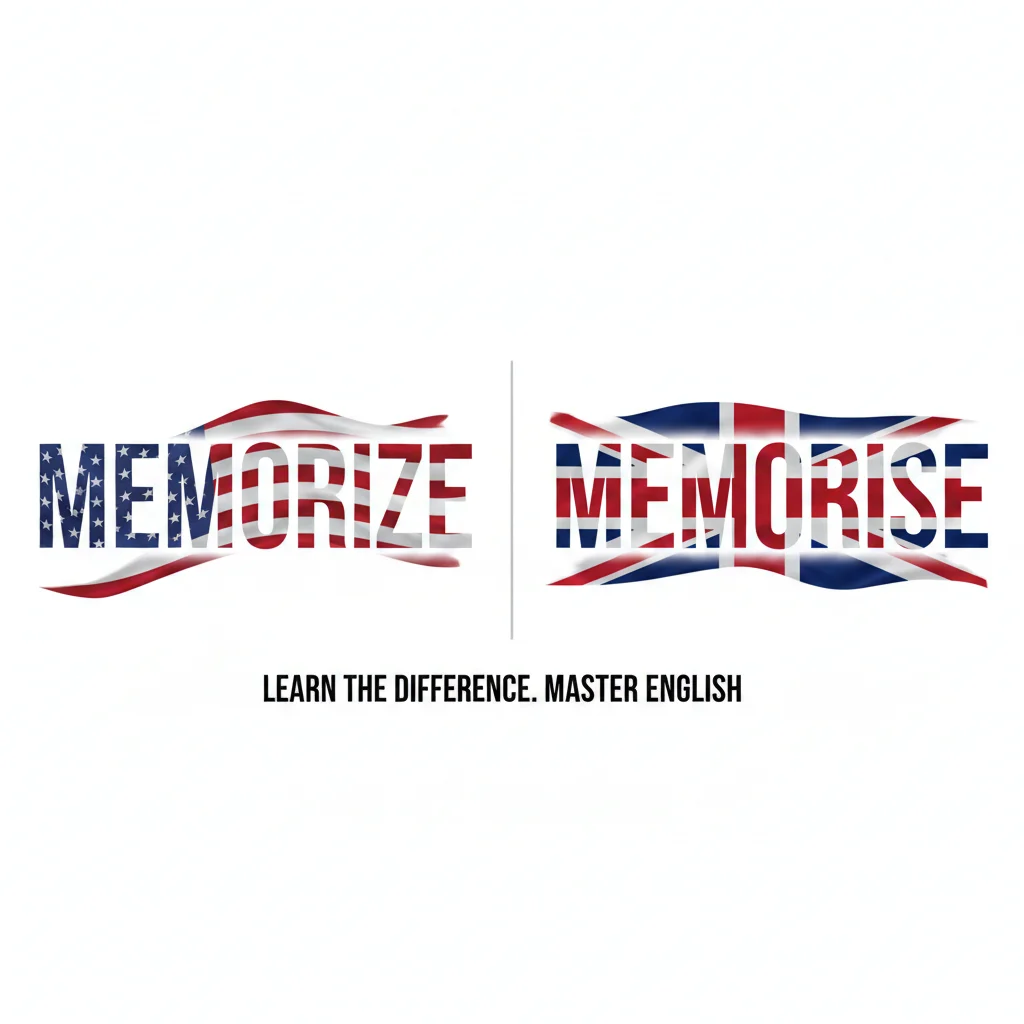
Both memorise and memorize are correct. The difference is spelling style. Memorize is American English. Memorise is British English. The meaning is the same: to learn something by heart.Memorise vs memorize both mean “to learn something so you can remember it exactly.”
- Memorize → American English
- Example: I will memorize my speech tonight.
- Memorise → British English
- Example: She will memorise the poem before class.
There is no difference in meaning. The spelling changes based on country.
Have you ever typed a word and your spell check marked it wrong? You wrote memorise, but your computer changed it to memorize. Now you stop and think: Which is correct, memorize or memorise? This small spelling change causes big confusion.
Many students, writers, and job seekers search for memorise vs memorize meaning because they want to write correctly. Some ask, Is memorize British or American? Others need the right spelling for essays, emails, or exams. The good news is simple. Both spellings are correct. The only difference is region.
In this guide, you will learn the spelling rule, history, examples, common mistakes, and which version you should use.
The Origin of Memorise vs Memorize

The word comes from the Latin word memor, which means “mindful” or “remembering.” Later, it became memoriser in French and then entered English.
In early English, both -ize and -ise spellings were used. Over time:
- In the United States, writers preferred -ize endings.
- In the United Kingdom, writers preferred -ise endings.
This spelling change became stronger after American dictionaries like those by Noah Webster supported simpler spellings in the 1800s. Webster helped standardize American spelling, including words like organize, realize, and memorize.
So the difference exists because American and British English developed different spelling rules.
British English vs American English Spelling
Many English words follow this same pattern.
| American English | British English |
|---|---|
| Memorize | Memorise |
| Organize | Organise |
| Realize | Realise |
| Recognize | Recognise |
| Apologize | Apologise |
Spelling Rule
- American English → Usually ends in -ize
- British English → Often ends in -ise
Example Sentences
- US: Students must memorize the formula.
- UK: Students must memorise the formula.
Both are correct. Just stay consistent in your writing.
Until vs Till: Simple Guide With Clear Examples
Which Spelling Should You Use?
Choosing the right spelling depends on your audience.
If You Are in the United States
Use memorize.
If You Are in the United Kingdom
Use memorise.
If You Are in Australia, Canada, or Other Commonwealth Countries
Use memorise, unless your style guide says otherwise.
If You Write for a Global Audience
Pick one style and stay consistent.
For example:
- Academic paper in the US → memorize
- British exam → memorise
- Blog post → choose one and use it everywhere
Consistency is more important than the choice itself.
Common Mistakes with Memorise vs Memorize
Here are common errors and how to fix them:
1. Mixing Both Spellings
❌ I will memorise the text and then memorize the speech.
✔ I will memorize the text and then memorize the speech.
(Choose one style.)
2. Using Wrong Regional Style in Exams
If your school follows British English, use memorise.
3. Confusing Remember and Memorize
Many ask: What is the difference between remember and memorize?
- Memorize → Learn something on purpose.
- Remember → Recall something naturally.
Example:
- I memorized the poem.
- I remember my birthday.
4. Wrong Verb Forms
- Memorized by something (correct phrase example):
The speech was memorized by the actor. - Memorised UK spelling is correct in British English.
Memorise vs Memorize in Everyday Examples

In Emails
- Please memorize the safety rules before training. (US)
- Kindly memorise the key points before the meeting. (UK)
In News
- Students must memorize historical dates.
- Actors often memorise long scripts.
On Social Media
Many people ask about memorise vs memorize reddit discussions. Users usually explain it is a US vs UK spelling difference.
In Formal Writing
In a memorise vs memorize essay, always follow your style guide.
Memorise vs Memorize – Google Trends & Usage Data
Search data shows:
- Memorize is more popular in the United States.
- Memorise is more searched in the United Kingdom, Australia, and South Asia.
People often search:
- How to spell memorise
- Memorise vs memorize quiz
- What does memorize mean?
- Is memorize British or American?
Online usage follows regional patterns. American websites mostly use memorize. British schools prefer memorise.
Macaroon vs Macaron: The Shocking Truth 🍪
Comparison Table: Memorise vs Memorize
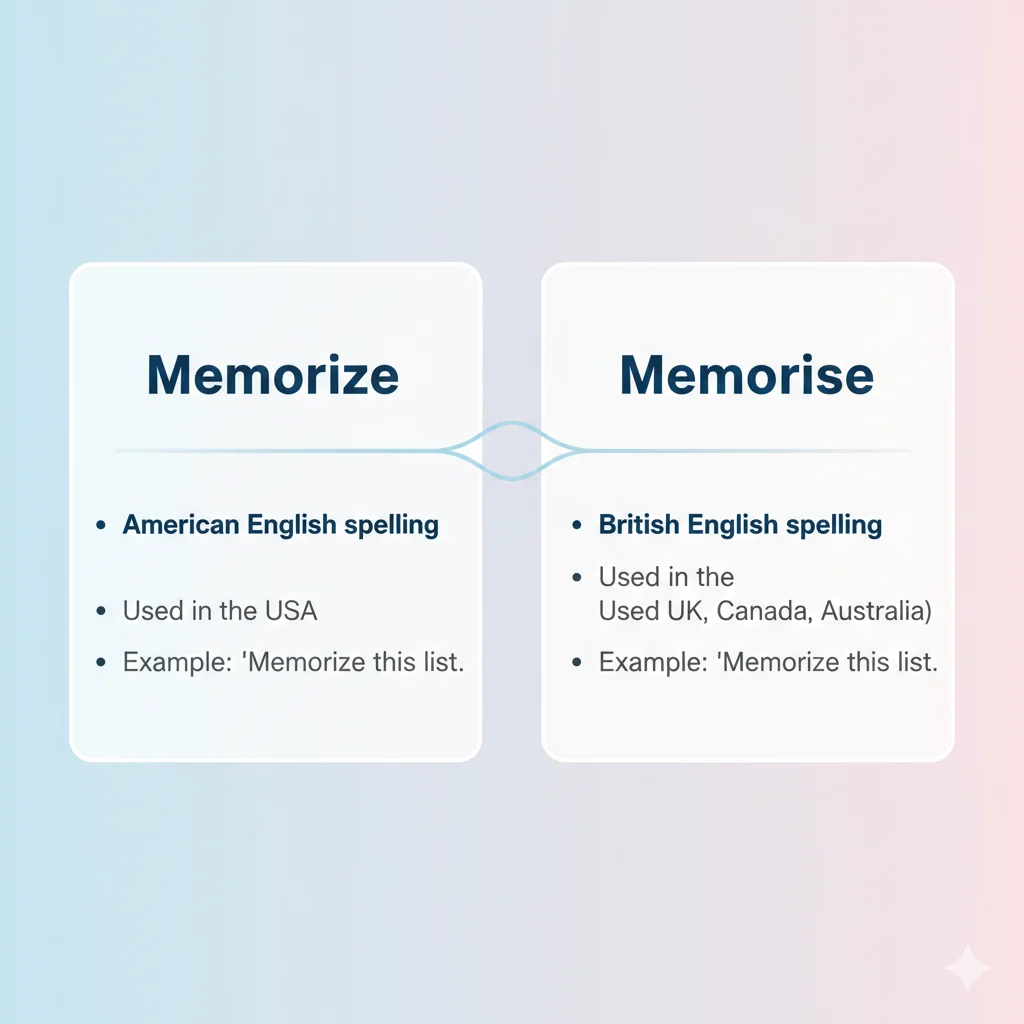
| Feature | Memorize | Memorise |
|---|---|---|
| Meaning | Learn by heart | Learn by heart |
| Region | United States | UK & Commonwealth |
| Verb Form | Memorized | Memorised |
| Style | American English | British English |
| Correct? | Yes | Yes |
There is no difference in meaning. Only spelling changes.
FAQs
1. Which is correct, memorize or memorise?
Both are correct. Use memorize in American English and memorise in British English.
2. What does memorize mean?
It means to learn something exactly so you can repeat it from memory.
3. Is memorize British or American?
Memorize is American spelling. Memorise is British spelling.
4. What is the difference between remember and memorize?
Memorize is active learning. Remember is recalling information.
5. How to spell memorise correctly?
In British English, spell it memorise with “-ise.”
6. What does “memorized by something” mean?
It means something was learned completely. Example: The lines were memorized by the student.
7. Is there a memorise vs memorize quiz?
Yes. Many grammar websites offer quizzes to test your understanding of US vs UK spelling.
Conclusion
The debate about memorise vs memorize is not about meaning. It is about spelling style. Both words mean the same thing: to learn something by heart. The only difference is region. American English uses memorize with “-ize.” British English uses memorise with “-ise.”
If you write for school, follow your teacher’s style guide. If you write for work, match your company’s language style. If you write online, stay consistent. Do not mix both spellings in one document.
Now you know the answer to: Which is correct, memorize or memorise? Both are correct. Just choose the one that fits your audience. Clear writing builds trust. Correct spelling shows professionalism. Pick your style and write with confidence.

Vera Brittain is a writer at Pray Ocean, providing clear English word meanings and inspiring prayer content for everyday readers.